The Art of Premium Furniture Manufacturing in Pakistan: From AI Designs to Reality
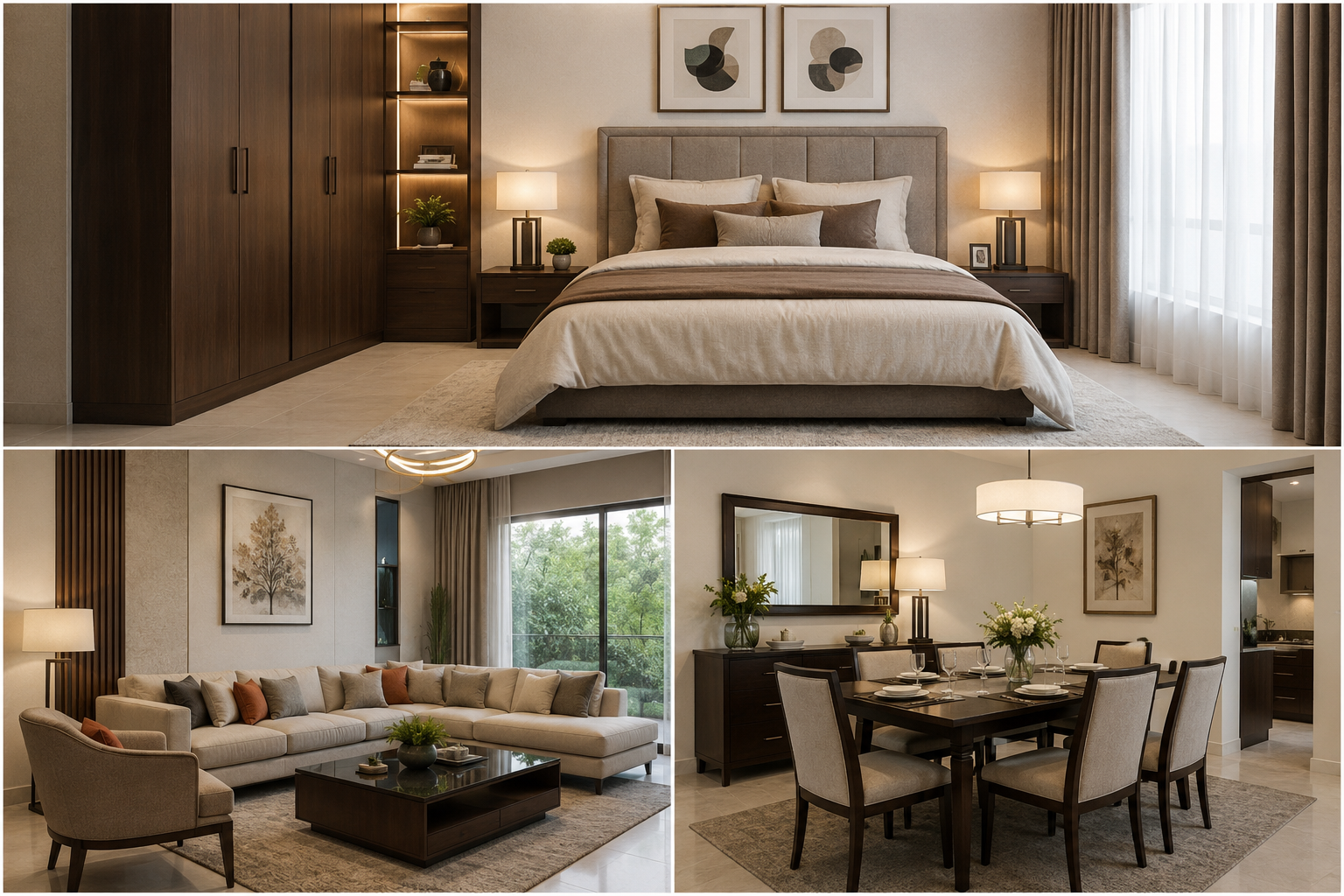
Introduction to Premium Furniture Manufacturing in Pakistan
The premium furniture manufacturing industry in Pakistan has undergone substantial evolution over the years, positioning itself as a significant player in the global market. This transformation is characterized by increasing demand for high-quality, bespoke furniture solutions that reflect both modern aesthetics and traditional craftsmanship. As consumer preferences shift towards individualized and luxury items, Pakistan's manufacturers have stepped up to meet these evolving needs, demonstrating their capability to blend artistry with functionality.
Local artisans are at the heart of this movement, employing their skills to create pieces that are not only visually appealing but also durable and unique. The expertise of these craftsmen is fundamental to the premium furniture sector, as it ensures that each piece carries a narrative, much like a work of art. The importance of skilled craftsmanship in this domain cannot be overstated; it is what distinguishes premium offerings from mass-produced products, thereby adding value to furniture made in Pakistan.
Moreover, the integration of modern technology, particularly artificial intelligence (AI) design tools, represents a significant advancement in the manufacturing process. These tools facilitate innovative design approaches that cater to the specific needs of diverse clientele, enhancing customization capabilities while maintaining efficiency. By leveraging AI, manufacturers are able to streamline production, reduce waste, and produce furniture that aligns perfectly with contemporary design trends and customer specifications.
In summary, the premium furniture manufacturing sector in Pakistan showcases a unique convergence of traditional craftsmanship and cutting-edge technology. As the industry continues to grow and adapt to both local and international demands, it is likely to strengthen its position in the global market, offering unparalleled quality and bespoke solutions to discerning customers.
The Role of AI in Furniture Design
Artificial intelligence (AI) has revolutionized numerous industries, and furniture design is no exception. The integration of AI tools in the design process allows creators to generate innovative and sophisticated concepts that push the boundaries of traditional furniture manufacturing. One of the primary uses of AI in furniture design is pattern recognition, where algorithms analyze existing styles and consumer preferences to propose designs that are not only aesthetically pleasing but also align with market trends.
A significant advantage of utilizing AI-generated designs is the enhanced level of personalization it offers. Designers can tailor pieces to individual customer preferences by inputting specific parameters into AI software. This means that consumers can have furniture that reflects their unique tastes, preferences, and even specific space constraints. As a result, AI bridges the gap between creativity and functionality, allowing designers to craft custom solutions more efficiently.
Moreover, the efficiency gained through the use of AI extends into the collaboration between designers and manufacturers. Automated design software can expedite the prototyping process, dramatically reducing the time taken to transition from conceptualization to reality. AI tools can simulate how different materials and designs will look and function in real life, allowing for adjustments before any physical production begins. This not only saves time but also reduces the likelihood of costly mistakes in the manufacturing phase.
Incorporating artificial intelligence into the furniture design process encourages a dynamic relationship where designers can explore a broader range of creative possibilities, while manufacturers benefit from precise, data-driven insights. By leveraging AI technology, the furniture industry in Pakistan can adopt cutting-edge practices that enhance product quality, efficiency, and overall consumer satisfaction.
Craftsmanship Meets Technology: The Manufacturing Process
The manufacturing process of premium furniture in Pakistan is a harmonious blend of traditional craftsmanship and contemporary technology. This journey begins with initial designs, often inspired by local culture and heritage, which are translated into detailed specifications using advanced design software. The integration of AI and computer-aided design techniques allows for greater precision and innovation, enabling artisans to visualize the final product accurately before any material is cut.
Once the designs are finalized, the choice of materials is crucial. Local wood, such as teak and mango, is commonly used for its durability, along with engineered wood products, metal, and glass. Artisans meticulously select each piece for its quality, ensuring the final product embodies not only aesthetic appeal but also functional integrity. Skills possessed by these artisans are highly specialized, including woodworking, carving, and upholstery, allowing for the creation of detailed and intricate designs that reflect quality craftsmanship.
As the manufacturing process progresses, technology plays an increasingly vital role. Automated cutting machines and advanced varnishing techniques enhance efficiency while minimizing waste, promoting sustainability practices within the industry. Artisans remain at the core of production, as they oversee the assembly and finishing processes, ensuring that every item meets high-quality standards. Furthermore, the use of environmentally friendly materials and finishes is becoming a priority, reflecting the growing demand for sustainable practices in furniture manufacturing.
In this evolving landscape, the synergy between skilled craftsmanship and modern technology not only preserves traditional furniture-making techniques but also propels them into the future, setting higher standards for quality and sustainability.
The Future of Premium Furniture Manufacturing in Pakistan
The premium furniture manufacturing industry in Pakistan is poised for significant transformation as it navigates the complexities of both local and global markets. One of the most prominent trends is the increasing demand for custom-made furniture that caters to the distinctive tastes and preferences of consumers. As Pakistani consumers become more discerning, they are seeking personalized solutions that reflect their individual styles. This shift toward customization opens new avenues for manufacturers to innovate and differentiate their offerings in a competitive marketplace.
Another key aspect shaping the future of premium furniture manufacturing in Pakistan is the influence of global markets. With an influx of international design standards and trends, local manufacturers are motivated to elevate their craftsmanship and adopt best practices from worldwide leaders in the industry. This exposure not only enhances the quality of furniture produced but also facilitates collaboration with foreign designers, bringing a fresh perspective to traditional Pakistani designs and fabrics.
Moreover, the potential for further integration of technology in the design and manufacturing processes cannot be overlooked. Advancements such as artificial intelligence and computer-aided design are streamlining production, reducing lead times, and allowing for precision crafting. By embracing these technologies, manufacturers can optimize their operations, ensuring greater efficiency while also maintaining high-quality standards.
However, the industry faces challenges that could impede growth, including fluctuating raw material costs and the need for skilled labor. Addressing these challenges will be crucial for sustaining momentum in the premium furniture sector. Despite these obstacles, there remain abundant opportunities for growth and innovation. Emphasizing sustainable practices and leveraging local resources can help to create a unique position for Pakistan's premium furniture in the global market.